

1. Introduction
College applications are stressful. Between essays, transcripts, recommendations, and deadlines, the last thing students want is another writing task. That’s why many breathe a sigh of relief when they see an “Optional Essay.”
But should you really skip it? The truth is, optional essays can be a secret advantage in your application.
2. What Does Optional Really Mean

Optional means your application won’t be rejected without it. But in reality, “optional” often means “strongly recommended.” Think of it as extra credit—not required, but helpful.
3. Why Do Colleges Offer Optional Essays
Colleges add optional essays to:
- See who you are beyond numbers.
- Understand special circumstances.
- Measure genuine interest in their school.
- Highlight diversity and unique backgrounds.
4. Benefits of Writing an Optional Essay
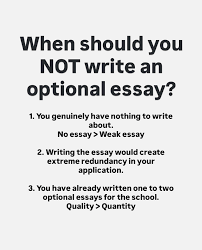
- Showcase another side of your personality.
- Explain dips in grades or gaps in your record.
- Demonstrate strong interest in the college.
- Stand out in competitive pools.
5. When You Can Skip an Optional Essay

It’s okay to skip if:
- The prompt doesn’t apply to you.
- You’d just repeat information already included.
- You don’t have enough time to write a thoughtful, polished essay.
6. How to Decide if You Should Write One
Ask:
- Will this add something new?
- Does it give context?
- Can I write it well?
- Is this a selective college where details matter?
7. Common Types of Optional Essays With Examples
Diversity Essay Example

How has your background shaped who you are
Growing up bilingual taught me flexibility and connection across cultures. I later tutored Spanish, realizing language is a bridge, not a barrier.
Why This College Essay Example

Why are you interested in our university
I want to study policy at [College Name], especially under Professor Smith. I’m also excited about joining the Debate Team and Volunteer Network.
Hardship Essay Example

Describe a challenge you faced.
I worked part-time when my father lost his job. Balancing shifts and school taught me resilience and discipline.
Additional Information Essay Example
Is there anything else we should know
During the pandemic, I launched a small digital art business, which taught me time management and entrepreneurship.
8. Mistakes to Avoid
- Repeating your personal statement.
- Writing vague, generic answers.
- Making up stories.
- Submitting essays with spelling or grammar errors.
9. Tips for Success
- Be authentic and specific.
- Keep it concise (150–300 words).
- Focus on growth, not just struggles.
- Proofread before submitting.
10. Do All Colleges Treat Optional Essays the Same
No. Some colleges truly mean “optional” and won’t hold it against you. But at highly selective schools, an “optional” essay can be considered an expected part of your application.
11. How Admissions Officers Actually View Optional Essays
Admissions officers see optional essays as an extra window into who you are. A strong essay can confirm your fit, show resilience, or explain things that numbers can’t.
12. The Role of Optional Essays at Selective Schools
At Ivy League and other top-tier institutions, optional essays are often a way to distinguish yourself in an applicant pool filled with high achievers.
13. Optional Essays vs Supplemental Essays What’s the Difference

- Optional Essays: Truly not required, often open-ended, used for context or extra information.
- Supplemental Essays: Required, often school-specific, such as “Why this college?”
14. Should International Students Write Optional Essays
Yes especially to:
- Explain cultural background.
- Clarify differences in educational systems.
- Highlight reasons for studying abroad.
15. The Psychological Advantage of Writing Optional Essays
By submitting optional essays, you show effort, dedication, and seriousness. Admissions officers often view this as a sign of motivation, which can positively influence their decision.
16. How Optional Essays Show Effort in Admissions
Colleges value students who go beyond the minimum. Writing optional essays demonstrates that you’re willing to take extra steps a trait they want on campus.
17. The Risk of Not Writing Optional Essays
If most applicants submit them and you don’t, your application might appear weaker. At competitive schools, skipping optional essays could indirectly lower your chances.
18. Do Optional Essays Impact Scholarships
Yes. Some colleges consider optional essays when awarding merit-based scholarships. A strong essay can highlight your strengths and financial need, making you a more appealing candidate.
19. How to Brainstorm Strong Ideas for Optional Essays
- List experiences not mentioned elsewhere.
- Think of personal challenges and how you overcame them.
- Consider meaningful moments that shaped your goals.
- Ask yourself: What do I want the admissions officer to know about me that’s missing?
20. Time Management Balancing Optional Essays with Applications
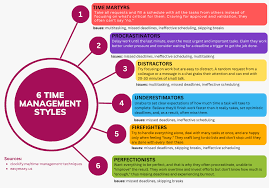
Optional essays add more work, but planning helps.
- Create a timeline for each application.
- Draft short outlines before writing full essays.
- Reuse ideas across schools while tailoring details.
Table of Contents
Conclusion
Introduction
What Does “Optional” Really Mean?
Why Do Colleges Offer Optional Essays?
Benefits of Writing an Optional Essay
When You Can Skip an Optional Essay
How to Decide if You Should Write One
Common Types of Optional Essays (With Examples)
Mistakes to Avoid
Tips for Success
Do All Colleges Treat Optional Essays the Same?
How Admissions Officers Actually View Optional Essays
The Role of Optional Essays at Selective Schools
Optional Essays vs. Supplemental Essays: What’s the Difference?
Should International Students Write Optional Essays?
The Psychological Advantage of Writing Optional Essays
How Optional Essays Show “Effort” in Admissions
The Risk of Not Writing Optional Essays
Do Optional Essays Impact Scholarships?
How to Brainstorm Strong Ideas for Optional Essays
Time Management: Balancing Optional Essays with Applications
Conclusion
So, are optional college essays really optional? Ye but skipping them isn’t always the smartest choice.
They may not be required, but they can:
- Show personality beyond grades.
- Explain challenges.
- Demonstrate interest.
- Improve scholarship chances.
- Help you stand out.